


Health & Wellness: Your True North: How to Build a Real Health Baseline - Two Things You Can Do This Week
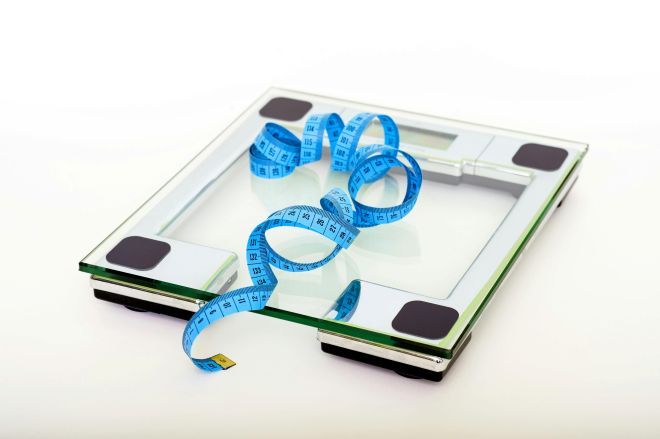
Photo by Pexels
By Tony Mathews, MD, MPH, Medical Strategist, Sequoia Medical 360 in Bronxville
April 13, 2026: Most people start a health plan by changing everything at once. New diet on Monday, gym membership on Tuesday, supplements by Wednesday. Two weeks later, something is working, or nothing is working, and they have no idea which changes made the difference.

Dr. Tony Mathews
This is one of the most common mistakes I see. It is not a lack of effort, but a lack of starting coordinates. You can't measure progress if you don't know where you began. When you rely on guesswork, you often carry a low-grade anxiety about whether you are actually doing the right thing.
Before you change a single habit, you need a baseline. Not a vague sense of how you feel, but actual numbers that reflect what is happening inside your body right now. You wouldn't start making a three-course meal without checking that your pantry has everything you need. Your physiology works the same way. You need to know what you are working with before you start making changes.
What a Real Baseline Looks Like
A useful baseline captures more than just your weight. It gives you a snapshot across several dimensions so that when you do make changes, you can see exactly what moved and what didn't.
Metabolic markers are the foundation. Fasting glucose, fasting insulin, and hemoglobin A1c tell you how your body is processing energy right now. Most standard physicals include fasting glucose, but insulin is often left out. That is a gap worth knowing about because insulin resistance is one of the earliest warning signs of metabolic dysfunction. It can show up years before your blood sugar ever looks abnormal on a routine lab report.
Lipids, done properly. A standard lipid panel gives you total cholesterol, LDL, HDL, and triglycerides. That is a great tool for general screening. But if you want a complete picture, advanced lipid markers like LDL particle number, Lp(a), and apoB tell you far more about what is actually happening in your arteries. These tests are widely available and can easily be added to your lab orders, giving you a much deeper understanding of your cardiovascular baseline.
Body measurements. You already have your waist circumference from last week. Add your weight (as a weekly average, not a single reading). If you have access to a body composition scan at a local gym or clinic, get one done. Even a basic one gives you lean mass and fat mass numbers that you can track over time.
A functional snapshot. This one doesn't require a lab or a doctor's office. Write down how many push-ups you can do, how far you can walk in 20 minutes, how many hours of unbroken sleep you get, and your resting heart rate first thing in the morning. These numbers are crude, but they are surprisingly useful anchors. Three months from now, the changes in these simple metrics will tell you more about your trajectory than most blood panels.
Two Things You Can Do This Week
1. Audit your last blood panel. If you've had bloodwork done in the past year, pull up the results. Look at what was tested and, just as importantly, what wasn't. Knowing the difference between a basic panel and a comprehensive one is the first step to understanding how complete your current picture actually is.
2. Take your functional snapshot. Pick a morning this week. Record your resting heart rate before you get out of bed. Do as many push-ups as you can. Go for a 20-minute walk and note the distance. Write down how many hours you slept last night and how you felt when you woke up. Put this data somewhere you won't lose it.
The Takeaway
You don't need a perfect plan to start improving your health. But you do need a clear picture of where you stand right now. A real baseline gives you something most people never have: the ability to measure whether what you're doing is actually working. Build it before you change anything, and every decision you make from here will be grounded in data instead of guesswork.
Gathering these baseline numbers is something you can start doing on your own today. But when it comes time to order the right advanced labs, interpret how your insulin relates to your vascular risk, and turn all that data into a unified strategy, having a physician to guide the process ensures nothing falls through the cracks.
Next week: Precision vs. Habits. The nutrition debate nobody wins, and how to find the approach that actually works for you.
Editor's Note: This article is for educational purposes only and does not substitute for individualized medical advice. Dr. Tony Mathews is a longevity medicine physician and the founder of Sequoia Medical 360 based in Bronxville, NY.


Health Directory
Maxwell Institute
Intensive and clinic-level outpatient chemical dependency treatment and education services.
92 Yonkers Ave
Tuckahoe, NY 10707
(914) 337-6033
777 White Plains Road
Scarsdale, NY
Phone: 914. 472. 9090
website

Lawrence Home Care of Westchester
670 White Plains Road
Scarsdale, NY 10707
(914) 787-6158
www.lawrencehomecare.org

Jansen Hospice and Palliative Care
NewYork-Presbyterian Westchester
NewYork-Presbyterian Westchester provides access to primary care physicians and specialists from ColumbiaDoctors, the faculty practice of Columbia University Irving Medical Center and NewYork-Presbyterian Medical Group Westchester.
The 288-bed facility is home to a cancer center, maternity center, breast health center, two cardiac catheterization labs, and a state-designated Stroke Center.
NYP Westchester provides advanced services such as minimally invasive surgery, state-of-the-art orthopedic care, and access to clinical trials.
Click here to see areas of care.
55 Palmer Avenue in Bronxville
914-787-1000 Main
Health Recent Articles









Quick Links
Newsletter
MyhometownBroxnville reserves the right to monitor and remove all comments. For more information on Posting Rules, please review our Rules and Terms of Use, both of which govern the use and access of this site. Thank you.
The information presented here is for informational purposes only. While every effort has been made to present accurate information, myhometownBronxville, LLC, does not in any way accept responsibility for the accuracy of or consequences from the use of this information herein. We urge all users to independently confirm any information provided herein and consult with an appropriate professional concerning any material issue of fact or law. The views and opinions expressed by the writers, event organizers and advertisers do not necessarily represent those of myhometownBronxville, LLC, its officers, staff or contributors. The use of this website is governed by the Terms of Use . No portion of this publication may be reproduced or redistributed, either in whole or part, without the express written consent of the publisher.
Copyright © 2009 myhometownbronxville.com, All rights reserved.